Construction projects involve many technical, planning, coordination, and compliance requirements. From the early design stage to construction and completion, project teams need to make decisions about structural systems, building services, materials, site conditions, costs, and project schedules. Managing these requirements effectively can help reduce technical issues and support smoother project delivery.
An engineering consultant in Malaysia can provide professional engineering expertise across the various stages of a construction project. Depending on the project scope, an engineering consultant may support design development, technical assessments, planning, coordination, site inspections, documentation, and other engineering-related activities. Their involvement can help project owners and development teams address technical requirements based on the project’s needs.
Before engineering work begins, it is important to understand the project’s objectives, site conditions, intended use, budget, timeline, and technical requirements. An engineering consultant can work with the project team to understand these requirements and identify engineering considerations that may affect the project.
This initial assessment can help establish a suitable engineering approach. It may also help identify potential technical challenges at an early stage, allowing the project team to consider possible solutions before construction begins.
Engineering design is an important part of construction planning. An engineering consultant in Malaysia can develop and review designs to meet project specifications and applicable standards.
Site conditions can have a significant impact on construction decisions. Factors such as soil conditions, drainage, existing structures, access, utilities, and surrounding properties may need to be considered.
An engineering consultant can conduct or coordinate relevant technical assessments to understand site conditions. The findings can then be considered during engineering design and project planning.
Early assessment can help project teams identify potential technical constraints and make informed decisions before construction activities progress.
.jpg)
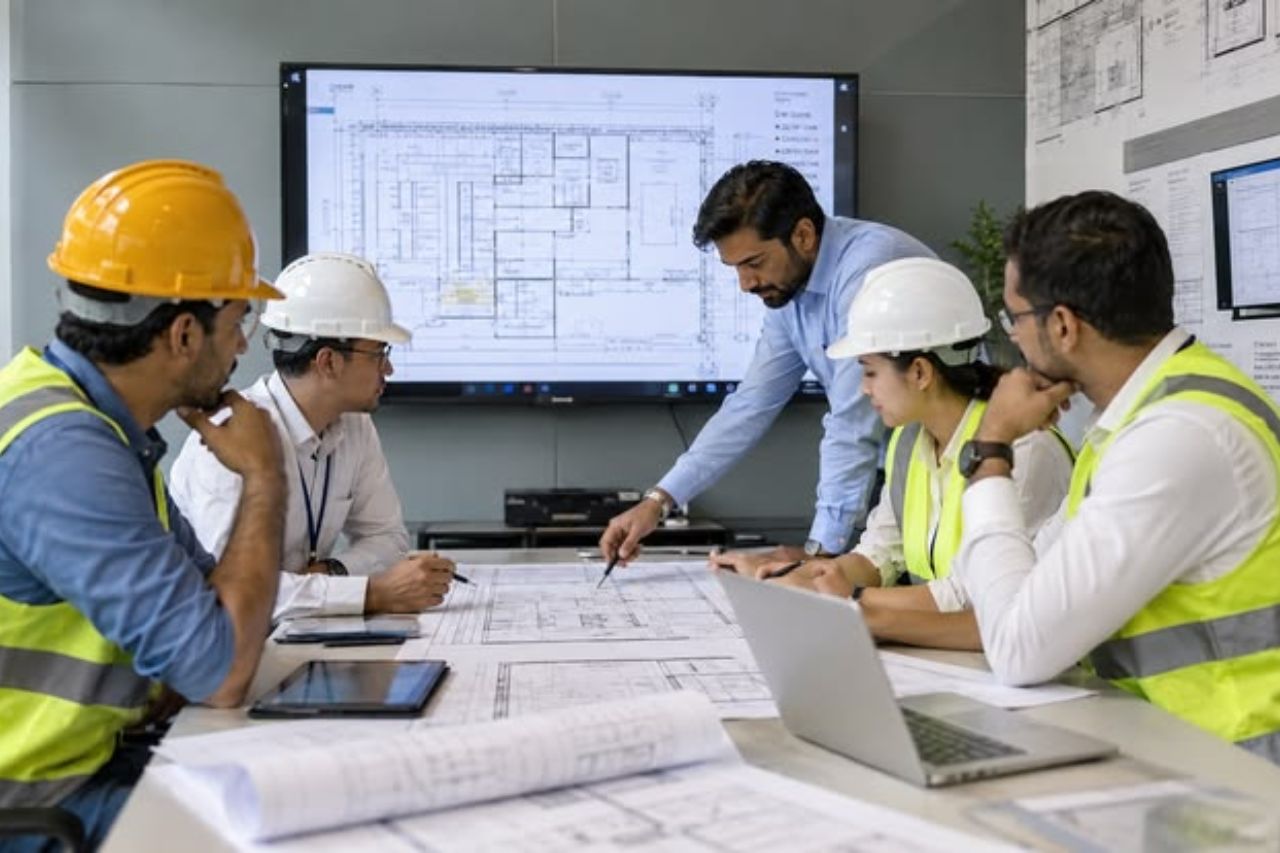
Construction projects involve various professionals, including architects, contractors, project managers, quantity surveyors, suppliers, authorities, and other specialists. An engineering consultant in Malaysia can help coordinate engineering requirements across these different parties.
Construction projects may need to comply with relevant building requirements, engineering standards, technical specifications, and authority requirements. The specific requirements can vary depending on the project type, location, and scope.
An engineering consultant can help the project team understand relevant technical requirements and incorporate them into engineering designs and documentation. Consultants may also support the preparation or submission of technical documents where this forms part of their agreed scope.
Meeting applicable requirements at the design stage can help reduce potential delays caused by incomplete or unsuitable technical information.
Material selection and construction methods can affect a project's performance, durability, safety, and overall cost. An engineering consultant in Malaysia can review proposed materials and methods to determine whether they are suitable for the intended application.
Engineering consultants may be involved in site inspections during construction, depending on the project’s requirements and their scope of services. Site inspections can help determine whether construction work is generally progressing in accordance with the relevant drawings, specifications, and engineering requirements.
During inspections, consultants may review selected construction activities, materials, workmanship, or technical details. Issues identified during these inspections can be communicated to the relevant project parties for further action.
Regular technical monitoring can help project teams identify potential issues before they become more difficult or costly to address.
Construction projects may require changes due to client requests, unexpected site conditions, or proposed alternative materials and construction methods. An engineering consultant in Malaysia can review these changes and assess their technical impact before implementation.
.jpg)
Engineering decisions can involve various technical risks. These may relate to structural performance, drainage, utilities, building services, materials, site conditions, or construction methods.
An engineering consultant in Malaysia can help identify potential engineering risks and recommend suitable measures based on the project requirements. Early identification allows project teams to consider possible solutions before risks affect construction progress or project performance.
Risk management should also continue throughout the project because site conditions, designs, schedules, and construction activities can change.
Construction projects generate a significant amount of technical documentation. Engineering drawings, calculations, specifications, inspection records, reports, revisions, and other documents may need to be prepared and maintained.
An engineering consultant can help develop or review relevant technical documents within the agreed scope of work. Clear documentation can help project participants understand design requirements and provide a useful record for future reference.
Proper document control is also important when engineering drawings or specifications are revised during construction.
Engineering quality is closely connected to design accuracy, material suitability, construction practices, inspections, and technical coordination. An engineering consultant can support quality-related activities by reviewing engineering information and monitoring selected technical aspects of construction.
When technical requirements are clearly communicated and consistently reviewed, project teams may be better positioned to identify issues and take corrective action where necessary.
However, an engineering consultant's responsibilities may vary depending on the agreed scope of work, project contract, and involvement of other professionals.
An engineering consultant in Malaysia can support construction projects through engineering design, site assessment, technical coordination, compliance support, material review, inspections, documentation, and technical risk management. Their involvement can provide project teams with professional engineering input during different stages of development.
An engineering consultant's role should be determined by the project's size, complexity, technical needs, and agreed scope of services. By selecting a consultant with relevant experience and clear responsibilities, project owners and development teams can better manage engineering requirements and support more organized construction processes.

